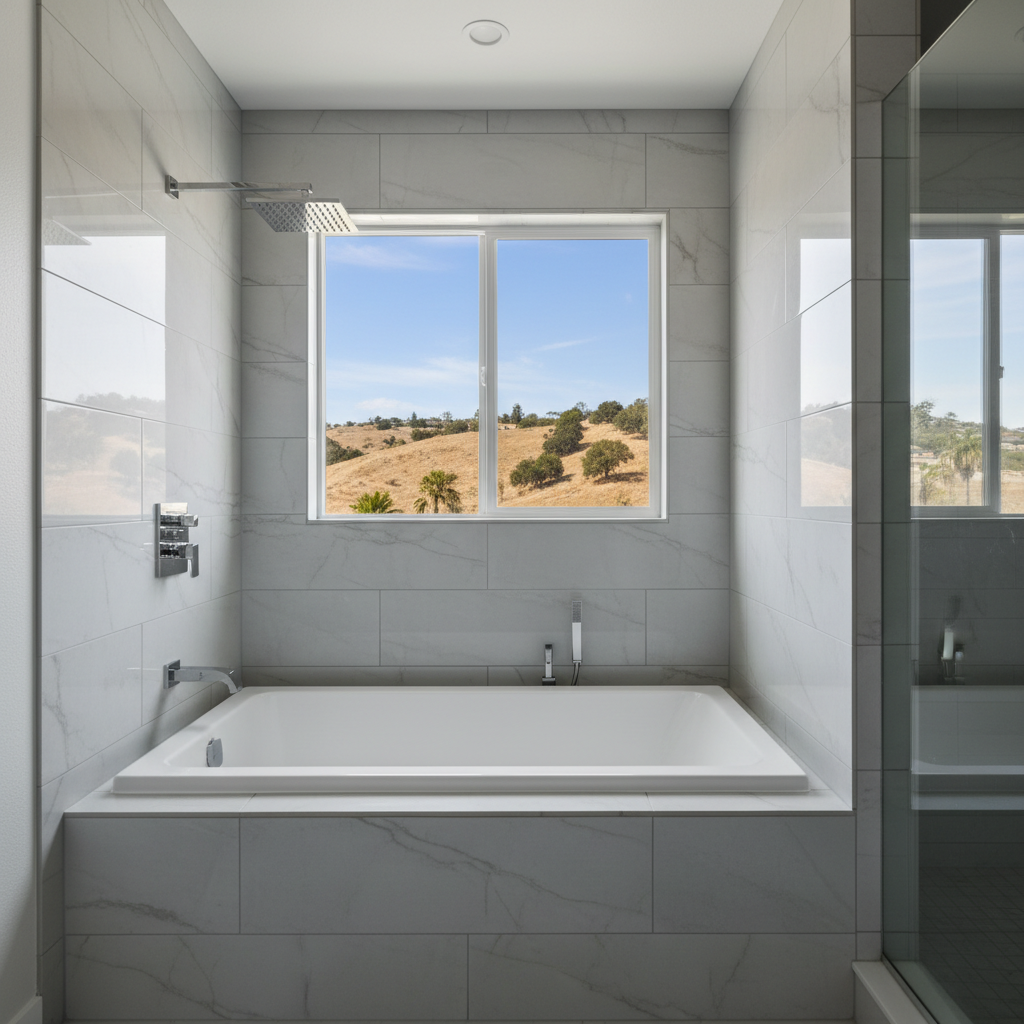
What's the real difference in cost between a new shower and a new bathtub installation?
Alright, let's get straight to it. This is probably the first thing everyone asks, and it's a good question because the answer isn't always obvious. Generally speaking, putting in a new shower, especially a walk-in, can often cost more than just swapping out an old bathtub for a new one. Why? Well, with a shower, you're usually looking at a lot more tile work. If you're going from a tub to a shower, you've got to build out a curb, slope the pan just right for drainage, and then tile all the way up the walls—sometimes even to the ceiling. That's a ton of labor and material for tile, grout, waterproofing membranes like Schluter or Kerdi, and the shower pan itself. Plus, you might want a custom glass enclosure, which, let's be honest, isn't cheap.
A simple tub replacement, where you're just pulling out an old tub and dropping in a new one of similar size, can be more straightforward. You'll still have some tile work around the tub surround, and plumbing connections, but it's usually less extensive than a full shower conversion. Now, if you're talking about a fancy freestanding tub with custom plumbing, then yeah, that can get pricey too. But for a standard alcove tub, it's often less than a custom tiled shower. A lot depends on the materials you pick, of course. A basic fiberglass shower insert will be cheaper than a custom tiled one, but most folks in Baldwin Park want something a bit nicer these days.
How long does a typical bathtub or shower installation take?
This is another one where there's no single answer, but I can give you a pretty good idea. For a straightforward tub-to-tub replacement, where we're not changing the layout much, we can often get that done in about 2-3 days. That includes demo, setting the new tub, plumbing, and getting the surround tiled up. If it's a shower installation, especially converting a tub space into a walk-in shower, you're usually looking at more like 4-7 days. That's because of all that extra tile work I mentioned, plus drying times for mortar and grout. We can't rush those steps, or you'll have problems down the road.
If we're talking about moving walls, relocating plumbing lines significantly, or doing a full bathroom remodel where the tub or shower is just one part, then the timeline stretches out. Sometimes, getting materials delivered can add a day or two, especially for custom glass or specific tile choices. We always try to give you a realistic timeline upfront, and we work hard to stick to it. Nobody wants their bathroom out of commission longer than it has to be, right?
Do I need a permit for a new tub or shower installation in Baldwin Park?
Absolutely, you do. Any time you're messing with plumbing, drainage, or making structural changes, the City of Baldwin Park requires a permit. This isn't just red tape; it's for your safety and to make sure the work meets local building codes. When you pull a permit, it means a city inspector is going to come out and check our work at different stages. They'll look at the plumbing rough-in, the waterproofing, and the final installation. This protects you from shoddy work and ensures everything is done correctly and safely. As your contractor, Baldwin Park Bathroom Solutions handles all the permit applications and inspections for you. It's part of the service, and it's non-negotiable for doing things the right way.
What kind of waterproofing is best for showers, especially in our humid Baldwin Park climate?
Good question, especially with our occasional summer humidity and the general wetness of a shower. You definitely don't want mold or leaks. For showers, I pretty much exclusively use modern waterproofing systems like Schluter-Kerdi or Wedi board. These aren't just a paint-on membrane; they're integrated systems that create a completely waterproof envelope behind your tile. They're designed to stop water from ever getting to your wall studs or subfloor, which is crucial for preventing mold, mildew, and structural damage over time. Forget the old cement board and plastic sheeting method; those are outdated and just don't offer the same level of protection.
These systems cost a bit more upfront than traditional methods, but they are worth every penny. They're specifically engineered for wet environments and hold up incredibly well. We install them carefully, making sure all seams are sealed and every penetration is properly flashed. It's an investment in the longevity and health of your bathroom.
Can I convert my existing tub into a walk-in shower without a major remodel?
Yes, you definitely can, and it's a very popular request these days. Many homeowners, especially those looking for easier access or just a more modern look, want to ditch the tub for a spacious shower. We call these 'tub-to-shower conversions.' It usually involves removing the old tub, modifying the plumbing for a shower drain, building a new shower pan and curb, and then tiling the shower walls. You'll also need a new shower valve and head, and typically a glass enclosure or shower curtain rod.
While it's not a 'major remodel' in the sense of moving all your fixtures around, it's still a significant project. It involves demolition, plumbing, framing, waterproofing, and tiling. It's more involved than just swapping out a tub for another tub. But it's absolutely doable and can dramatically change the feel and functionality of your bathroom. We do a lot of these for folks in the older parts of Baldwin Park, where the bathrooms were built with tubs that just don't get used anymore.
What are the common issues that can cause delays in a tub or shower installation?
Delays happen, it's just a reality of construction, but we try our best to minimize them. The most common culprits are usually material availability and unforeseen conditions. Sometimes, a specific tile, fixture, or custom glass panel might be on backorder, or shipping gets delayed. That's why we encourage you to make your selections early and we order everything well in advance.
Then there are the 'unforeseen conditions.' We open up a wall or pull out an old tub, and we might find some dry rot, old plumbing that needs to be brought up to code, or even electrical issues. These things aren't visible until demo starts, and they need to be addressed properly before we can continue. It adds time and sometimes cost, but it's crucial for a safe and lasting installation. We communicate immediately if we run into anything like this, so you're always in the loop. We don't like surprises any more than you do.
How do I choose between an acrylic, cast iron, or steel tub?
Each material has its pros and cons, and what's best for you depends on your priorities. Acrylic tubs are probably the most common choice today. They're lightweight, relatively inexpensive, come in a huge variety of shapes and sizes, and they hold heat pretty well. They can scratch if you're not careful, but they're easy to clean.
Cast iron tubs are the classic choice. They're incredibly durable, hold heat really well for long soaks, and have a beautiful, solid feel. The downside? They're extremely heavy, which can make installation more difficult and sometimes requires floor reinforcement. They're also more expensive. Steel tubs (enameled steel) are a middle-ground option. They're lighter than cast iron but more durable than acrylic. They don't hold heat as well as cast iron, and the enamel can chip if something heavy drops on it. For most of my clients, especially those looking for a balance of cost, durability, and style, a good quality acrylic tub is often the sweet spot. But if you want that luxurious, solid feel and don't mind the extra cost and weight, cast iron is hard to beat.