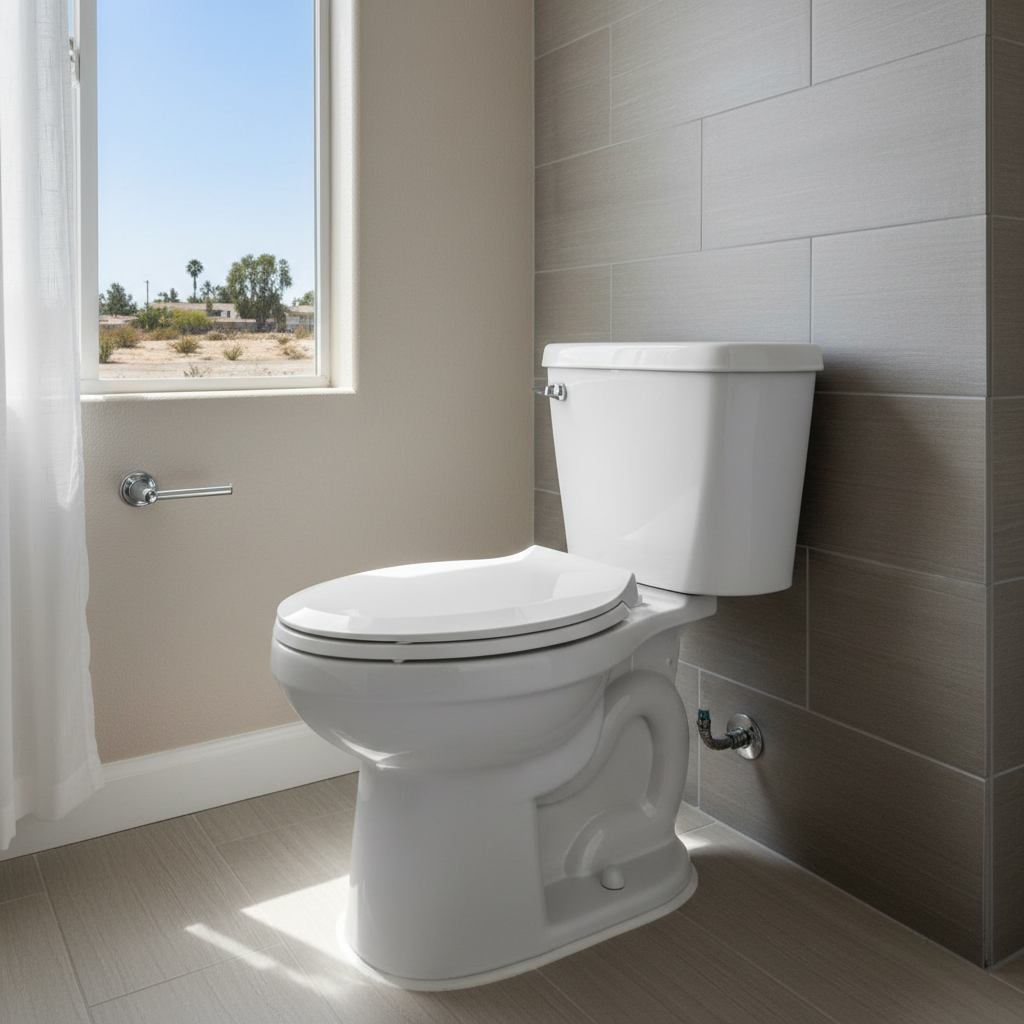
Alright, let's talk toilets for a minute. You'd probably think swapping out an old commode for a shiny new one would be pretty simple, right? Well, after seeing enough messes in Baldwin Park homes, I can tell you it's definitely not always that easy. As a local contractor, I've watched homeowners basically flush good money down the drain (yeah, I went there!) because they made some really common mistakes, either when hiring someone or trying to plan a toilet installation themselves.
Forgetting the Rough-In Measurement
This is probably the biggest, most frequent screw-up I see. You find a fantastic-looking toilet online or at Home Depot, bring it home, and then — oops — it doesn't fit. Why? Because you didn't measure the rough-in. That's the distance from the wall behind your toilet to the middle of the waste pipe (where your current toilet's bolts are). Most modern toilets are built for a 12-inch rough-in. But, a lot of older homes, especially some of those charming mid-century spots near Morgan Park, might have 10-inch or even 14-inch rough-ins. If you've got baseboards, remember to measure from the actual bare wall, not the baseboard itself. Messing this up means your new toilet either won't sit flush against the wall, or it won't connect to the drain at all. Trust me, it's a headache you absolutely want to avoid.
Cutting Corners on the Seal (Wax Ring vs. Wax-Free)
That seal between your toilet and the floor flange? It's super important. It's what keeps water (and bad smells) from getting out. Most folks know about the traditional wax ring, and for good reason—they're reliable, cheap, and have been the standard for decades. When you install one correctly, a wax ring creates a watertight, gas-tight barrier that can easily last over 20 years.
Now, there are also wax-free seals out there, usually made of rubber or foam. These can be less messy and easier to reposition, which sounds great if you're doing it yourself. But, some plumbers, and I'm one of them, often prefer wax rings because they're just so proven to last and can handle small imperfections in the flange or floor. If you do go with a wax-free option, make sure it's a really good quality one. Some can break down faster or just not seal as well under pressure. A seal that isn't installed right, whether it's wax or wax-free, will lead to leaks, water damage to your subfloor, and some truly nasty smells. Nobody wants that.
Tightening Bolts Too Much or Not Enough
You definitely want your toilet to be secure, but there's a sweet spot when you're tightening the bolts that hold it to the floor and the tank to the bowl. Overtightening is a common mistake; it can crack the porcelain, which means expensive repairs or even needing a whole new toilet. On the flip side, if you don't tighten enough, you'll have a wobbly toilet. That can stress the seals and eventually cause leaks. The trick is to tighten gradually, switching sides, until the toilet feels snug and doesn't rock at all.
Ignoring the Flange and Subfloor Inspection
Before you even think about putting down a new toilet, you absolutely have to check the existing floor flange and the subfloor right underneath it. The flange is what hooks the toilet to your drainpipe, and it needs to be level and in good shape. Especially in older Baldwin Park homes, you might find corroded cast iron or PVC flanges, or even signs of water damage on the subfloor from a previous leak. If you ignore these issues, you're basically just putting a new toilet on a bad foundation. You'll end up dealing with wobbles, leaks, or even worse down the road. If the flange is damaged, you've got to fix or replace it. And if the subfloor is soft or rotted, that's a bigger job that needs to be handled before anything else can happen.
Not Replacing the Water Supply Line
This is a small part, but it can cause huge problems. Your toilet's flexible water supply line connects it to your home's water system. These lines, especially older ones, can wear out over time, leading to leaks or even bursting. It's a simple, inexpensive part to swap out, and doing it during installation is cheap insurance against a future flood. I always tell people to get a good quality braided stainless-steel hose for long-term peace of mind.
Picking the Wrong Toilet Type for Your Needs or Plumbing
Not all toilets are created equal, you know? What works great for your neighbor might not be the best fit for your house. You've got gravity-fed toilets, which are the most common and use the water's weight to flush. Then there are pressure-assisted toilets; these use compressed air for a much stronger flush, which is awesome for preventing clogs and often saves more water. However, they can be louder and sometimes cost more upfront.
Also, think about comfort height toilets—they're taller and easier for many people to use. And with the City of Baldwin Park even offering programs for high-efficiency toilets, it's worth checking out WaterSense-certified models that really save water. Just make sure you're picking a toilet that suits your family's needs and plays nice with your existing plumbing system and water pressure.
Skipping the Leak Test
Once everything's installed, you absolutely, positively have to test for leaks. Flush the toilet a few times and carefully check around the base, the supply line connection, and where the tank meets the bowl for any signs of moisture. Even a tiny drip can turn into serious water damage over time. Don't caulk around the base until you're completely sure there are no leaks. That caulk is there to seal the gap, not to hold back water from a bad seal, right?
Look, installing a toilet isn't rocket science, but it's also not a job to rush or cut corners on. Taking the time to measure correctly, inspect existing parts, use quality stuff, and test thoroughly will save you a ton of grief and money later on. If you're ever unsure, that's when you call in a pro like us at Baldwin Park Bathroom Solutions. We've seen it all, and we can make sure your new toilet gets installed right the very first time.