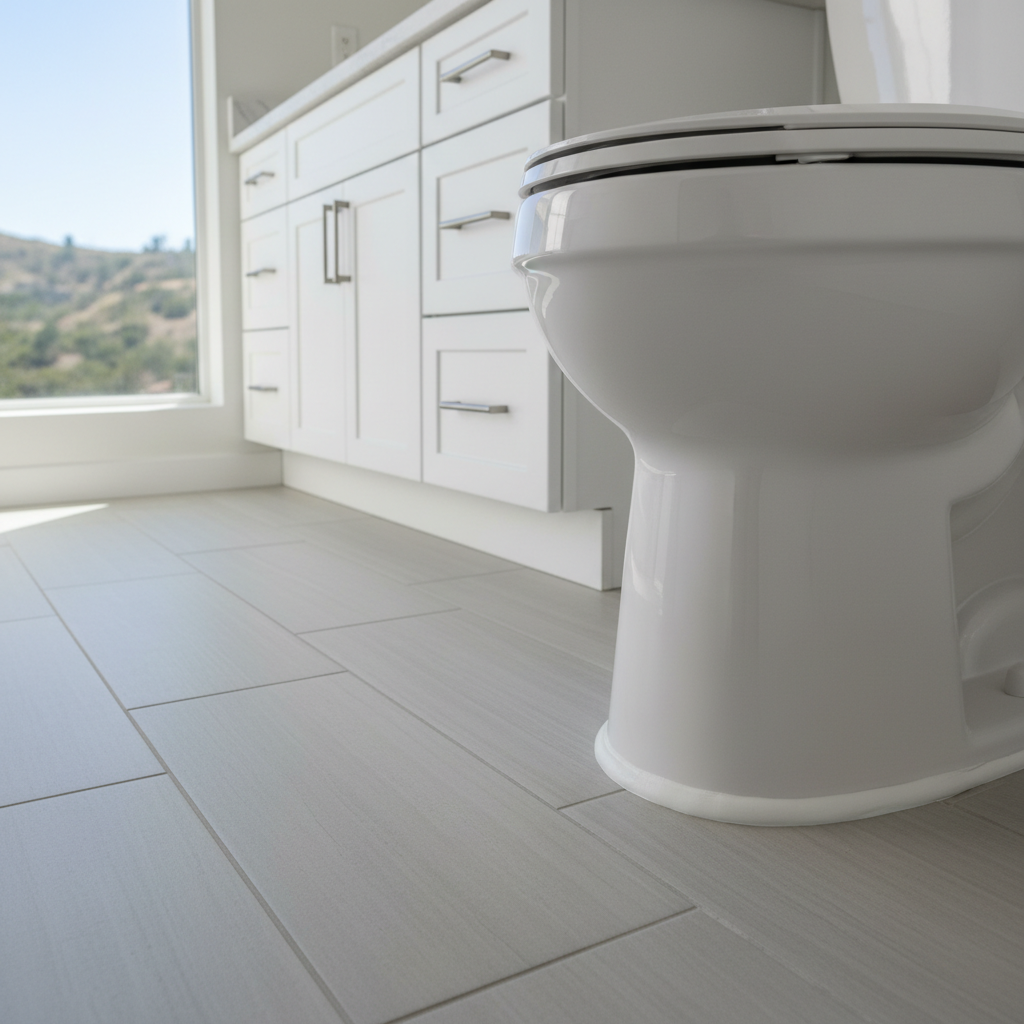
Can I really install a toilet myself, or should I call a pro?
Look, I'm not going to tell you it's impossible. If you're handy, you've watched a few videos, and you're comfortable with basic plumbing, you can probably get a new toilet in there. It's not rocket science, but it's also not just screwing in a lightbulb. There are a few things that can go wrong: a leaky wax ring, a loose flange, a wobbly toilet, or even cracking the bowl if you overtighten. And trust me, a leaky toilet is a mess you don't want to deal with. Plus, if it's not installed perfectly, you could have slow leaks that cause subfloor damage over time, which is a much bigger headache and expense down the road. For peace of mind and to make sure it's done right the first time, especially if you're replacing an older unit, calling someone who does this all the time is usually the smarter move. We've seen it all, from corroded bolts to uneven floors, and we know how to handle it.
What's the deal with toilet rough-in measurements? Why are they so important?
This is probably the most common mistake I see homeowners make when they try to buy a toilet themselves. The 'rough-in' measurement is the distance from the finished wall behind your toilet to the center of the drainpipe (the bolts that hold the toilet down). In most homes around Baldwin Park, especially the older ones in the north end of town, you'll find a 12-inch rough-in. But sometimes, you'll run into 10-inch or 14-inch rough-ins, particularly in smaller bathrooms or if the house has been renovated weirdly over the years. If you buy a toilet with the wrong rough-in, it simply won't fit. It'll either be too far from the wall, leaving a big gap, or it'll hit the wall and you won't be able to install it at all. Always measure this before you buy. Measure from the wall (not the baseboard) to the center of the two bolts on the floor. Don't skip this step!
My old toilet wobbles a bit. Is that normal, or does it need fixing?
Absolutely not normal, and yes, it definitely needs fixing. A wobbly toilet isn't just annoying; it's a sign of a problem that can lead to bigger issues. Most often, it means the toilet isn't securely fastened to the floor flange, or the floor itself isn't level. If it's not sealed properly, every time it wobbles, it can break the seal of the wax ring underneath. That means wastewater can slowly seep out onto your subfloor, leading to rot, mold, and a very expensive repair. Sometimes it's as simple as tightening the bolts, but often it requires shims or even resetting the toilet with a new wax ring and making sure the flange is solid. Don't ignore a wobbly toilet; it's a ticking time bomb for water damage.
How long does a typical toilet installation take?
For a standard toilet replacement where everything goes smoothly, we're usually in and out in about 1 to 2 hours. That includes removing the old toilet, cleaning the area, installing the new wax ring, setting the new toilet, connecting the water supply, and testing for leaks. Now, if we run into issues like a corroded flange, a broken shut-off valve, or a floor that needs leveling, it can take longer. Sometimes we find the subfloor is rotted from a previous slow leak, and that needs to be addressed before we can even set the new toilet. Those situations can push it to 3-4 hours, or even require a separate repair visit. But for a straightforward swap, it's a pretty quick job.
What kind of toilet should I get? Are there really that many options?
Oh, you bet there are options! It's not just about color anymore. You've got standard two-piece toilets (bowl and tank separate), one-piece toilets (sleeker, easier to clean), wall-mounted toilets (great for small spaces, but more complex installation), and then all sorts of features. High-efficiency models save water, dual-flush options let you choose how much water to use, comfort height toilets are taller and easier on the knees (especially popular with seniors or taller folks), and even smart toilets with bidets, heated seats, and self-cleaning functions. When you're looking, consider your budget, the size of your bathroom, who'll be using it, and how important water conservation is to you. For most Baldwin Park homes, a good quality, comfort-height, high-efficiency two-piece toilet is a solid choice that balances cost and performance. If you're looking for something more premium, a one-piece or a smart toilet can really elevate the space.
My toilet is constantly running. Is that an installation issue or something else?
A constantly running toilet is almost never an installation issue with the toilet itself, unless the fill valve was somehow damaged during the process. Most of the time, it's an internal tank component that's either worn out or misaligned. The most common culprits are a faulty flapper (the rubber seal that lets water into the bowl), a fill valve that's not shutting off properly, or the float mechanism being out of whack. These parts wear down over time, especially with our hard water here in Southern California. It's usually a pretty simple and inexpensive fix, often just replacing the flapper or the fill valve assembly. You can sometimes even do it yourself with a kit from the hardware store. If you're not comfortable, we can definitely take a look; it's a common service call for us here at Baldwin Park Bathroom Solutions.
Do I need a new wax ring every time I remove a toilet?
Yes, absolutely. Every single time. The wax ring is designed to create a watertight and gas-tight seal between the toilet and the drainpipe. Once it's compressed and forms that seal, it's a one-and-done deal. If you lift the toilet, even just a little, that seal is broken. Trying to reuse an old wax ring is like playing Russian roulette with your subfloor. It might seem fine for a while, but it's almost guaranteed to leak eventually, letting sewer gases escape and water seep out. They're inexpensive, and replacing it is a non-negotiable part of any toilet removal and reinstallation. Always use a new one for peace of mind.
What's the deal with the water shut-off valve? Mine looks really old.
That little valve behind your toilet is crucial. It lets you turn off the water to the toilet for repairs or replacement without shutting down the water to your whole house. If yours looks corroded, is stiff to turn, or worse, leaks when you try to use it, you absolutely need to replace it. Trying to force an old, seized valve can cause it to break, leading to a much bigger water mess. We often recommend replacing these valves when we're doing a toilet installation, especially if they're the old multi-turn gate valves. Modern quarter-turn ball valves are much more reliable and easier to operate. It's a small upgrade that can save you a huge headache down the line.