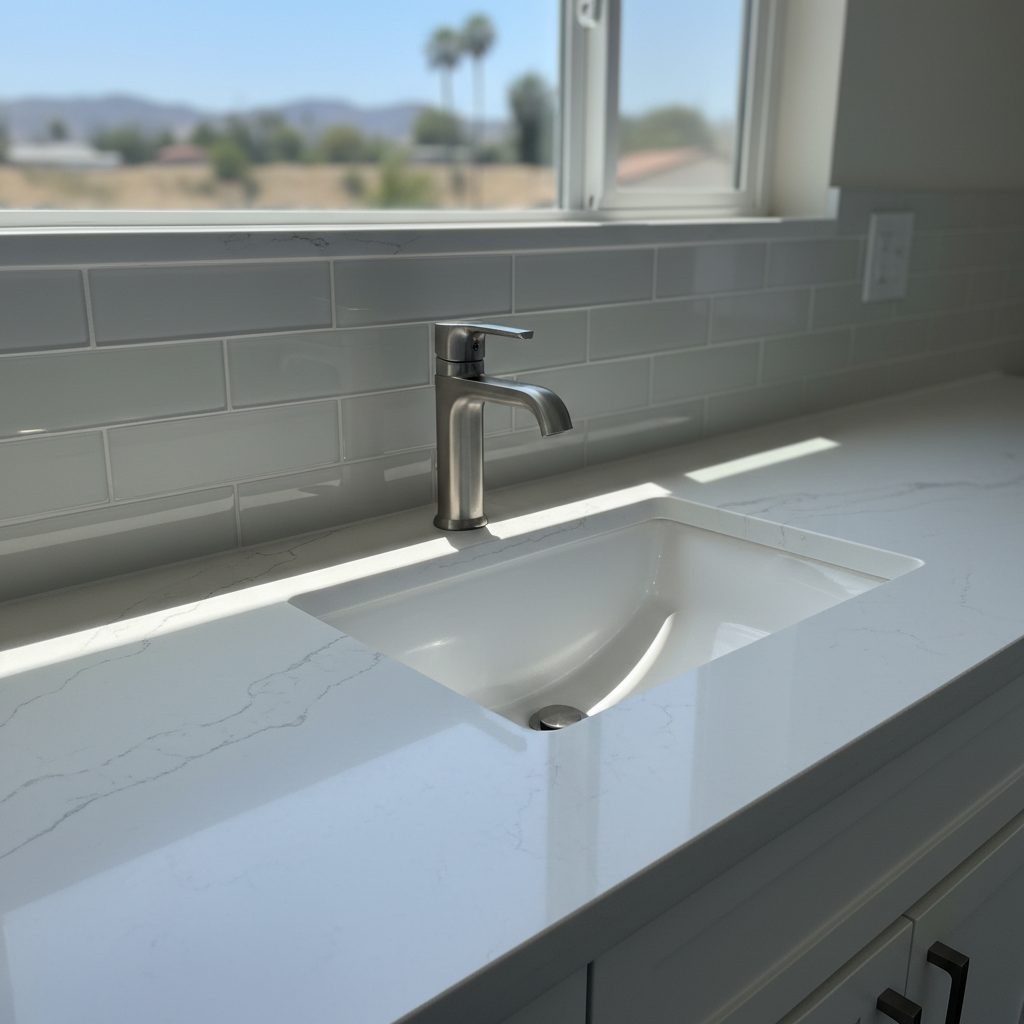
Thinking About a New Bathroom Vanity?
So, you're eyeing a new bathroom vanity, huh? Maybe the old one's just had it, or you're simply craving a fresh look. This is a super common project, and a lot of folks here in Baldwin Park often ask me if it's something they can tackle themselves or if they really need to call in the pros. The truth is, it's a bit of both, depending on how comfortable you are with tools and what you're starting with.
Before You Even Think About Tools
Before you buy a single thing, you absolutely have to measure. Get the width, depth, and height of your current vanity. And don't forget the space itself, especially if you're planning on going bigger or smaller. Honestly, you'd be surprised how often I see someone buy a gorgeous new vanity, only to find it just doesn't quite squeeze in once they get it home.
Think about your plumbing, too. Does your current sink have a single-hole faucet, or does it need three holes for a widespread one? Knowing this helps you pick the right faucet for your new sink. Oh, and give the drain a look. Most sinks use a standard 1 1/4-inch drain, but it's always smart to double-check.
Then there's the style question. Are you leaning towards a modern floating vanity, a traditional cabinet, or something in the middle? This isn't just about aesthetics; it actually affects how it's installed. A floating vanity needs some serious wall blocking, which might mean cutting into your drywall. A standard cabinet vanity, on the other hand, is usually a much simpler swap.
What You Can Probably DIY
If you're just swapping out an old vanity for something similar in size and style, and your plumbing lines are in good shape and in the same spot, you can probably handle a good chunk of this yourself. Here's what that usually looks like:
- Demolition: Taking out the old vanity is often pretty straightforward. Just shut off the water, disconnect the supply lines and drain, then unscrew the old vanity from the wall. Be careful not to ding up the drywall or floor, though.
- Assembly: A lot of new vanities come flat-packed these days. If you've ever put together IKEA furniture, you can probably assemble a vanity cabinet. Just follow those instructions carefully.
- Setting the Vanity: Once it's assembled, you can usually position the new vanity cabinet. Make sure it's level, then secure it to the wall studs. This is super important for stability.
- Installing the Sink Top: If your vanity comes with a pre-attached sink top or a drop-in sink, you'll set it right on the cabinet. Run a bead of silicone caulk around the edges where the sink meets the cabinet to seal it against water.
- Faucet Installation: Putting the faucet onto the sink top is also pretty DIY-friendly. Most faucets come with clear instructions, thankfully. You'll attach the hot and cold supply lines to the faucet, then connect those to your existing water shut-off valves.
- Drain Assembly: Putting together the P-trap and connecting it to the sink drain and the wall drain pipe is another task many homeowners can manage. Just make sure all connections are hand-tightened, then give them a quarter-turn with a wrench. Don't overtighten, or you'll crack something.
Once everything's connected, turn the water back on slowly and check for leaks. Keep a bucket and towels handy, just in case!
When It's Time to Call a Pro
Look, I'm all for saving a buck and doing what you can on your own. But there are definitely times when bringing in a professional is the smarter, safer, and, let's be honest, ultimately cheaper option. Here's when you should pick up the phone:
- Plumbing Reroutes: If you're moving the vanity to a different wall, changing from a single sink to a double, or if your existing plumbing lines are corroded, leaking, or just not in the right spot for your new setup, you need a plumber. Messing with water lines can lead to big problems fast, especially with some of the older galvanized pipes we still see in parts of Baldwin Park.
- Structural Changes: Going from a standard vanity to a wall-mounted floating one often means adding blocking inside the wall for proper support. That means opening up drywall, cutting studs, and reinforcing. That's a job for someone with framing experience.
- Electrical Work: If you're adding new outlets inside the vanity for hair dryers or electric toothbrushes, or moving light fixtures, that's electrical work. Don't mess with electricity unless you're licensed.
- Custom Builds or Complex Installations: If you're dealing with an unusually shaped space, a custom-built vanity, or intricate tile work around the vanity, a pro will make sure it's done right and looks good.
- Water Damage or Mold: If you find water damage, rot, or mold behind your old vanity, stop what you're doing. You've got a bigger issue than just a vanity swap. You'll need to address the source of the leak and clean up any mold before installing anything new.
- Lack of Confidence or Time: Honestly, if you're feeling overwhelmed, unsure, or just don't have the time to dedicate to the project, that's a perfectly valid reason to hire someone. Your sanity is worth something, isn't it?
At Baldwin Park Bathroom Solutions, we handle everything from simple vanity swaps to full-blown custom installations. We've seen it all, from dry rot behind old vanities to homeowners trying to connect PEX to copper without the right fittings. We can help you figure out what's realistic for your DIY skills and what's best left to the experts.
A Few Final Tips
- Read Instructions: Seriously, read them twice. Every manufacturer does things a little differently.
- Quality Materials: Don't cheap out on things like caulk, silicone, or supply lines. A cheap part can lead to a really costly leak.
- Take Your Time: Rushing always leads to mistakes. If you're getting frustrated, step away for a bit.
- Know Your Limits: There's no shame in calling for help. It's way better to admit you're out of your depth than to flood your bathroom.
A new vanity can really transform a bathroom. Whether you tackle it yourself or bring in some help, you'll be enjoying your refreshed space in no time.